
Boosting brand authority with real Twitter followers has become a core objective for brands that want to be taken seriously on social media. Twitter is not just a content platform. It is a perception platform. When people discover a brand on Twitter, they make instant judgments based on visible signals such as follower count, engagement, and activity. Real followers play a critical role in shaping that first impression and determining whether a brand feels credible or forgettable.
Many brands underestimate how much authority is influenced by social proof. Even with strong messaging and quality products, a Twitter profile that lacks real followers struggles to earn trust. Authority on Twitter is built before a single tweet is read. It begins at the profile level, where real followers signal legitimacy, relevance, and influence.
This guide explains how boosting brand authority with real Twitter followers works in practice. This article breaks down the psychology behind follower perception, the difference between real and fake followers, how real followers support algorithmic visibility, and when brands should invest in follower growth. It also explains how to combine real followers with engagement strategies to build lasting authority rather than short term numbers.
Why Brand Authority Matters on Twitter?
Brand authority on Twitter is not an abstract concept. It directly affects how people interact with your content, how seriously they take your messages, and whether they trust your brand. Authority influences attention, engagement, and conversion, often before users consciously evaluate what you are saying.
Twitter is a fast scrolling environment. Users make split second decisions about who to follow and what to engage with. When they encounter a brand account, they immediately assess credibility using visible signals. Follower count is one of the strongest of those signals.
A brand with authority benefits in several important ways. First, authority increases attention. Tweets from authoritative accounts are more likely to be read instead of skipped. Second, authority increases engagement. Users feel more comfortable replying to, retweeting, or quoting brands that appear established. Third, authority increases conversion. When people trust a brand, they are more likely to click links, explore offers, and consider products.
Brands without authority face constant friction. Their tweets feel risky to engage with. Their messages are questioned more often. Their content struggles to spread beyond existing followers.
Authority on Twitter influences:
• Perceived expertise in a niche
• Trustworthiness of brand messaging
• Willingness of users to engage publicly
• Likelihood of being followed or recommended
Importantly, authority compounds over time. A brand that looks credible attracts better followers. Better followers engage more. Higher engagement reinforces authority. This cycle continues as long as the foundation is strong.
Real Twitter followers form the base of this foundation. Without them, authority becomes fragile. With them, authority grows more naturally and sustainably.
The Psychology Behind Real Twitter Followers
Human psychology plays a major role in how brand authority is formed on Twitter. People rely on social cues to decide what to trust, especially in environments filled with information. Follower count is one of the most powerful cues available.
When users see a brand with real followers, they assume others have already vetted it. This creates a sense of safety. Following or engaging feels socially validated. The opposite is also true. Accounts with low or suspicious follower counts trigger doubt, even if the content itself is solid.
Real followers matter because people subconsciously look for signs of authenticity. They scan follower lists, engagement patterns, and activity levels. Real followers interact naturally. They reply, retweet, and participate in conversations. This reinforces the perception that the brand is active and relevant.
Fake followers, on the other hand, create psychological dissonance. High follower numbers paired with low engagement raise red flags. Users may not articulate it consciously, but they sense that something is off.
Psychological signals users look for include:
• Balanced ratio between followers and engagement
• Natural language in replies
• Consistent activity over time
• Follower profiles that look real
Authority is not just about size. It is about coherence. Real followers contribute to that coherence by making the brand feel grounded in an actual audience.
For brands, this means that follower quality directly affects trust. Real followers make authority believable. Without them, authority feels manufactured.
How Real Twitter Followers Strengthen Brand Credibility?
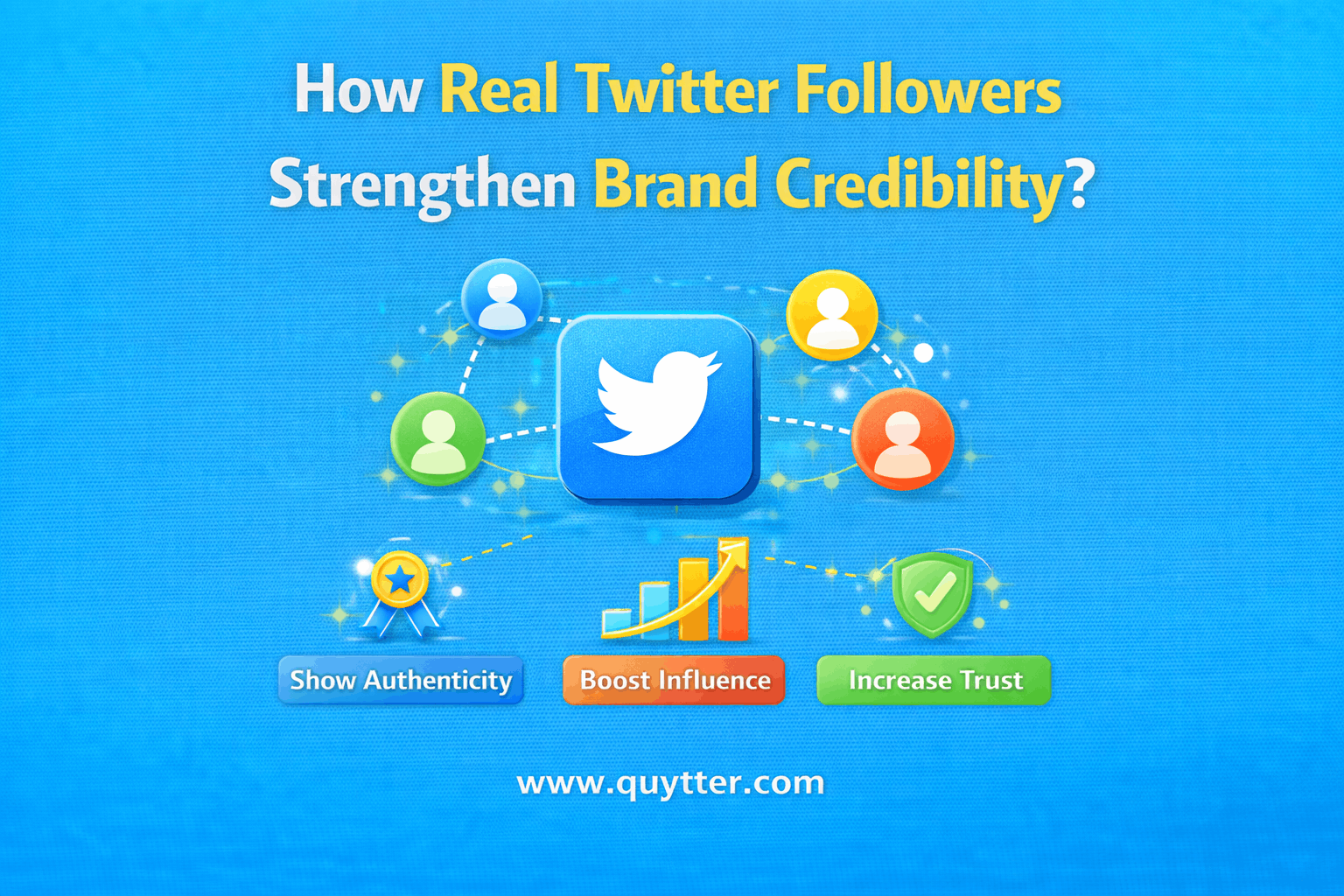
Real Twitter followers strengthen brand credibility in ways that go beyond surface metrics. They influence how people perceive your brand at every touchpoint on Twitter.
The first impact is immediate profile credibility. When someone lands on your profile, follower count is one of the first things they notice. A healthy number of real followers signals that your brand has an audience and a history. This alone can determine whether someone chooses to explore further or leave.
The second impact is engagement quality. Real followers are more likely to interact with content naturally. Their replies add context, questions, and opinions. This creates richer conversations around your tweets and makes your brand feel approachable and active.
The third impact is organic growth. When real followers engage, their networks are exposed to your content. This expands reach organically and attracts new followers who are already aligned with your brand.
Real followers also improve conversion signals. Tweets with visible interaction appear more trustworthy. Links shared by accounts with real audiences feel safer to click. Offers promoted by brands with real followers feel more legitimate.
Key credibility benefits include:
• Higher follow through on calls to action
• Increased confidence in brand messaging
• More consistent engagement patterns
• Improved perception during partnerships or collaborations
For brands working with influencers, affiliates, or partners, credibility matters even more. Real followers make your brand easier to endorse and collaborate with.
Ultimately, real followers help align perception with reality. They ensure that your brand authority feels earned rather than artificial.
Why Fake Followers Damage Brand Authority?
Fake followers are often seen as a shortcut, but they create long term damage to brand authority. While they may inflate numbers temporarily, they undermine trust and performance in subtle but powerful ways.
The most immediate issue is engagement distortion. Fake followers do not engage meaningfully. This creates an imbalance where follower count rises but interaction remains low. Users notice this discrepancy quickly.
Another issue is algorithmic impact. Twitter prioritizes engagement from real users. Fake followers dilute engagement rates, making content appear less interesting to the platform. This can reduce reach over time rather than increase it.
Fake followers also damage brand perception when discovered. Audiences today are highly aware of follower manipulation. Once suspicion arises, trust erodes rapidly. Brands may not get a second chance.
Problems caused by fake followers include:
• Lower engagement ratios
• Reduced organic reach
• Loss of credibility when exposed
• Difficulty building real community
Brands that rely on fake followers often struggle to convert attention into results. Their tweets may look popular at a glance, but they fail to generate meaningful interaction or action.
Real followers, by contrast, support authority rather than hollowing it out. They provide long term value instead of short term illusions.
The Role of Real Followers in Twitter’s Algorithm
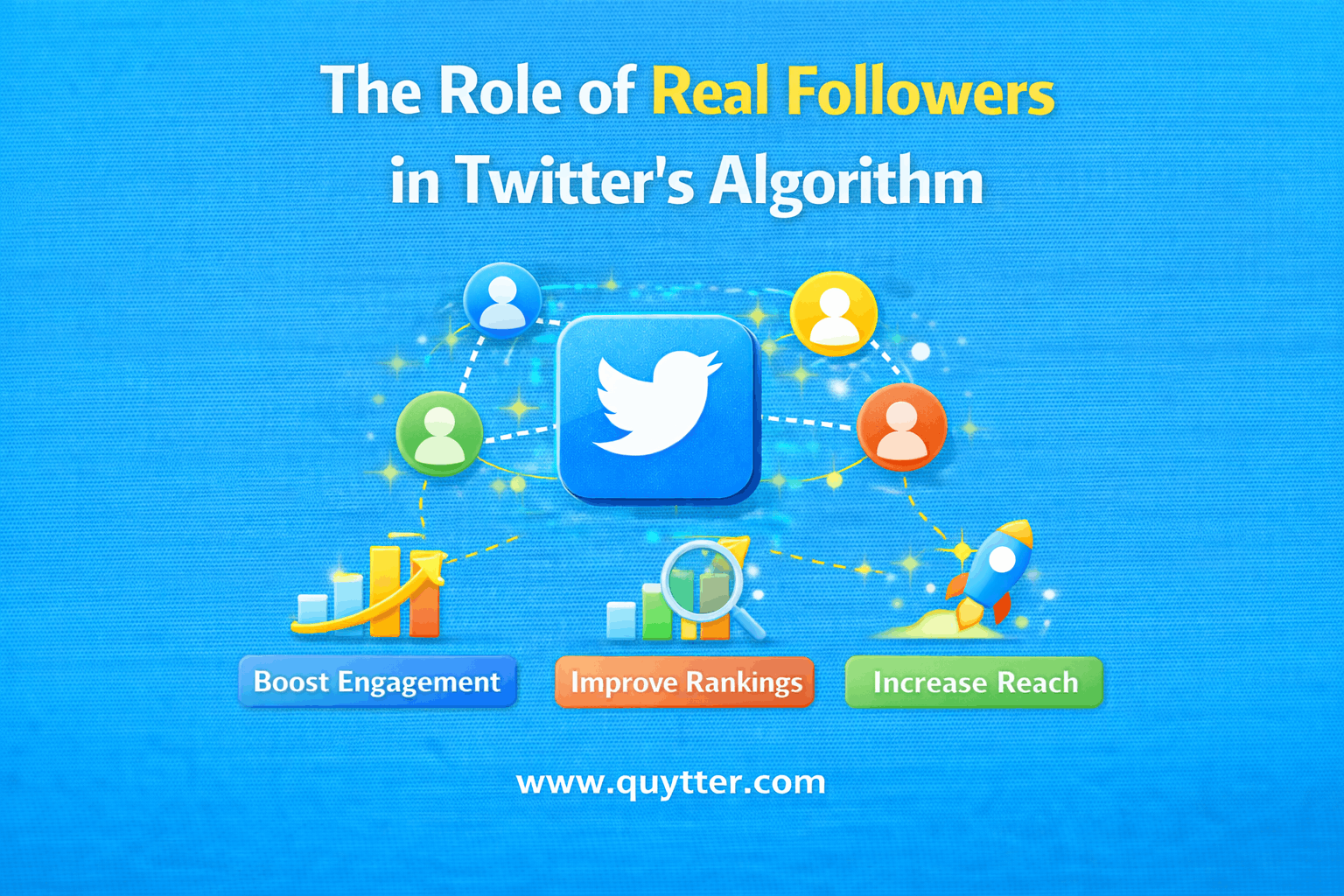
Twitter’s algorithm is designed to surface content that keeps users engaged. Real followers play a crucial role in how your content performs within this system.
When real followers interact with your tweets, they generate strong signals. Replies, retweets, and quote tweets tell Twitter that the content is relevant and worth showing to more people. Fake followers cannot provide these signals.
Follower quality also affects consistency. Accounts with real followers tend to receive engagement more reliably across posts. This creates stable performance patterns that the algorithm favors.
Real followers contribute to:
• Higher initial engagement on new tweets
• More consistent interaction over time
• Stronger signals for content distribution
When tweets perform well with existing followers, Twitter is more likely to test them with broader audiences. This increases impressions and discovery.
Real followers also help protect accounts from sudden drops in reach. Engagement from genuine users signals ongoing relevance, which helps maintain visibility even when posting frequency changes.
For brands focused on growth, understanding this relationship is critical. Authority supported by real followers aligns with algorithmic incentives rather than fighting against them.
When Brands Should Invest in Real Twitter Followers?
Not every brand invests in real followers at the same stage. Timing matters, and understanding when to focus on follower growth can maximize impact.
Common scenarios where investing in real followers makes sense include:
• Launching a new brand or product
• Rebranding or repositioning an existing account
• Entering a competitive niche
• Preparing for campaigns or partnerships
New brands often struggle with the cold start problem. Without followers, even strong content looks unproven. Real followers help establish credibility early.
Rebranding efforts also benefit from follower support. When messaging changes, authority helps existing and new audiences take the brand seriously.
In competitive spaces, authority signals differentiate brands quickly. Real followers make your brand stand out and reduce friction in engagement.
Investing in real followers is not about replacing organic growth. It is about supporting it at critical moments.
How Quytter Helps Brands Build Authority with Real Twitter Followers?
For brands that want to boost authority efficiently, Quytter provides real Twitter follower services designed to support credibility and growth.
Quytter focuses on follower quality rather than inflated numbers. Real followers help brands build trust, improve engagement patterns, and strengthen visibility.
With Quytter, brands can:
• Buy real Twitter followers to improve profile authority
• Combine followers with likes to reinforce social proof
• Add comments to support conversation and credibility
• Use retweets to expand reach
• Increase views to strengthen visibility signals
These services work together to create a balanced growth profile. Instead of isolated metrics, brands build a cohesive presence that feels authentic.
Quytter is especially effective for brands that want controlled, strategic growth. By aligning follower growth with content and engagement strategies, brands avoid the pitfalls of artificial inflation.
Using Quytter allows brands to focus on messaging and value while ensuring that authority signals support their efforts.
Best Practices to Maximize Authority After Gaining Followers
Gaining real followers is only the beginning of building brand authority on Twitter. Followers create the foundation, but authority is established through what happens after they arrive. Brands that stop at follower growth often see engagement stagnate and credibility plateau. To truly maximize authority, brands must turn followers into an active, trusting audience.
The first priority is content alignment with brand positioning. Once people follow your account, they expect consistency. If your content shifts randomly or lacks a clear message, authority erodes quickly. Every tweet should reinforce what your brand stands for. This does not mean repeating the same message endlessly, but it does mean staying within a defined narrative. Over time, followers associate your brand with specific ideas, values, or expertise. That association is the core of authority.
Equally important is active engagement with replies and conversations. Authority on Twitter is not built through broadcasting alone. Brands that reply to comments, acknowledge feedback, and participate in discussions appear more human and approachable. When followers see that a brand responds thoughtfully, they feel valued rather than ignored. This strengthens loyalty and encourages more public interaction, which further reinforces authority.
Engagement should include:
• Replying to thoughtful comments instead of only reacting to praise
• Answering questions clearly and publicly
• Acknowledging criticism respectfully
• Joining conversations started by followers
This behavior signals confidence and transparency, both of which are essential for authority.
Another critical factor is maintaining regular and predictable activity. Authority fades when accounts go silent. Consistent posting keeps your brand visible and reinforces relevance. This does not require posting constantly, but it does require rhythm. Followers should recognize when and how often your brand shows up. Irregular activity creates uncertainty and weakens perception.
Regular activity also helps reinforce engagement patterns. When followers know your brand posts consistently, they are more likely to check in, reply, and share content. This ongoing interaction strengthens algorithmic signals and sustains visibility.
Transparency plays a major role in authority as well. Brands that communicate openly build trust faster. Transparency can take many forms, such as explaining decisions, sharing lessons learned, or acknowledging mistakes. These moments humanize the brand and deepen credibility. Audiences trust brands that do not pretend to be perfect.
Finally, authority grows when brands balance confidence with humility. Confident brands share opinions and insights without hesitation. Humble brands listen, adapt, and credit their audience. This balance creates respect rather than distance.
Brands that maximize authority after gaining followers typically do the following consistently:
• Reinforce a clear brand message
• Treat engagement as conversation, not promotion
• Stay active without overwhelming followers
• Communicate honestly and openly
• Show appreciation for audience participation
When real followers are supported by thoughtful content and genuine interaction, authority compounds over time. Each interaction strengthens trust, each tweet reinforces credibility, and each conversation deepens the relationship. This is how brands transform follower growth into lasting influence on Twitter.
Conclusion: Authority Is Built Faster with the Right Foundation
Boosting brand authority with real Twitter followers is not about shortcuts. It is about building a foundation that supports trust, engagement, and sustainable growth.
Real followers improve credibility, increase engagement signals, and help the algorithm recognize your account as a legitimate brand. When paired with consistent content and audience interaction, they become a key part of a larger Twitter Marketing Strategy focused on long term visibility and authority.
If your brand wants to grow faster and build stronger credibility on Twitter, Quytter provides real Twitter followers and engagement services that help accelerate this process and support sustainable growth.