
Growing on Twitter has become increasingly complex as the platform evolves to prioritize trust, authenticity, and behavioral consistency. Many users assume that growth is simply about posting more content or increasing engagement metrics, but the reality is far more nuanced. Without a clear understanding of Twitter growth safety, even small mistakes can lead to reduced reach, shadowbans, or long term damage to your Twitter account health.
This guide breaks down everything you need to know about safe Twitter growth, from understanding Twitter growth risks and avoiding suspicious tools to evaluating services and protecting your account. Instead of chasing shortcuts, this article focuses on sustainable strategies, real engagement, and how to align your growth approach with how the platform actually evaluates trust signals.
Why Twitter Growth Is Risky Without a Safety Strategy?
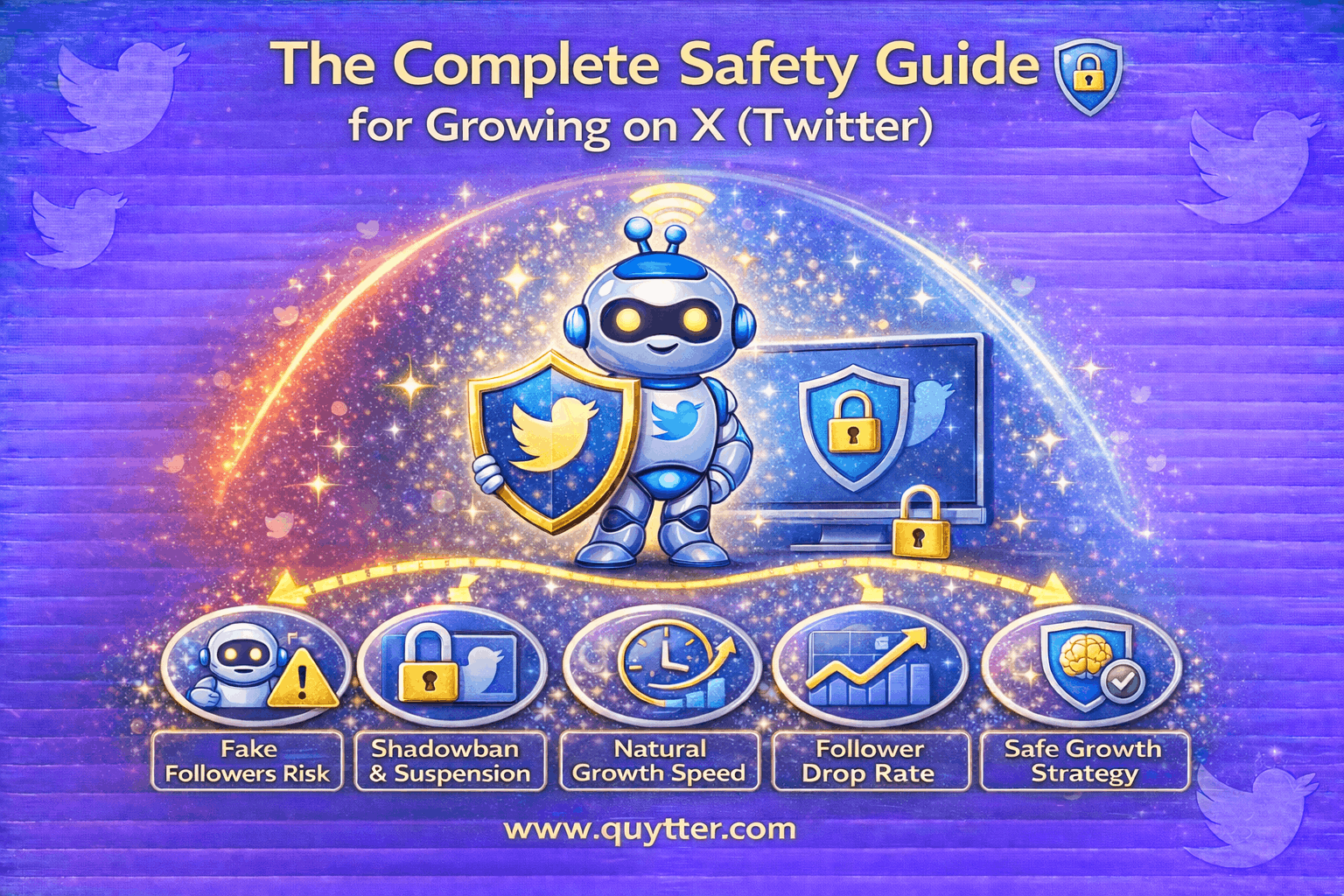
Most users approach growth with a single goal in mind, increase followers and engagement as quickly as possible. The problem is that speed without structure often triggers the very systems designed to suppress artificial behavior. This is where Twitter growth risks begin to emerge.
Twitter does not evaluate accounts based only on output volume. It analyzes patterns. If your activity suddenly increases beyond what is considered normal for your account profile, the system interprets this as a potential manipulation attempt. This includes rapid follower spikes, unnatural engagement ratios, or repetitive interactions across similar accounts.
One common mistake is relying on cheap growth services that promise instant results. These services often use low quality networks or recycled engagement, which may temporarily inflate metrics but weaken long term trust signals. This directly impacts Twitter account safety and can lead to reduced visibility across all future posts.
Another issue is the lack of a structured growth strategy. Users mix automation tools, paid engagement, and organic posting without understanding how these elements interact. This creates conflicting signals that make the account appear inconsistent or suspicious.
If you want to understand how low quality services create long term damage, you can explore the risk of cheap Twitter growth panels, which explains how these shortcuts affect algorithmic trust.
The key takeaway is simple. Growth without a safety framework is not growth. It is exposure to risk. A strong strategy prioritizes consistency, realism, and alignment with platform behavior.
How Twitter Detects Suspicious Growth and Fake Engagement?
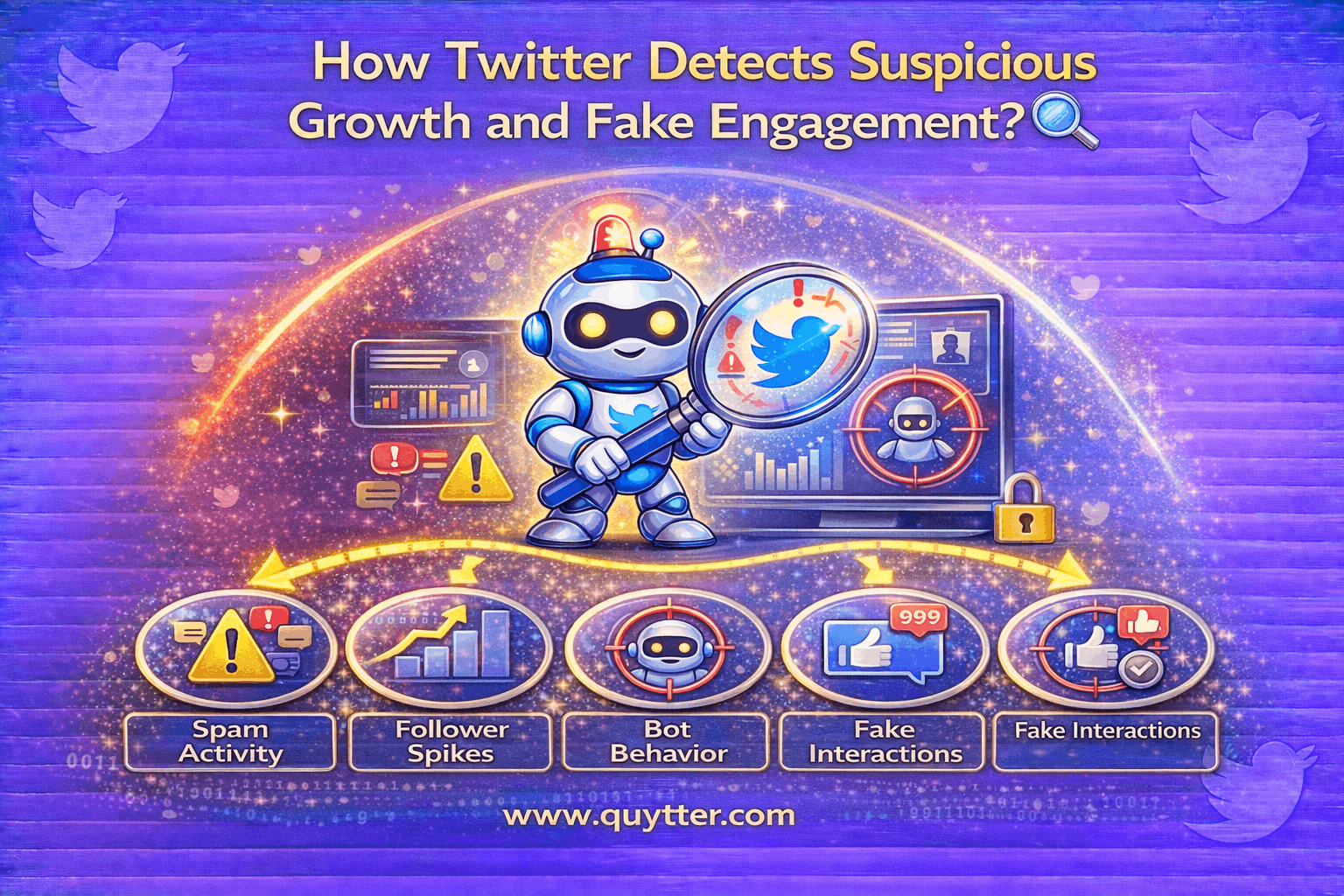
To understand safe Twitter growth, you need to understand how detection works. Twitter relies on a combination of behavioral analysis, network signals, and engagement quality to identify suspicious activity.
First, behavioral consistency is critical. Accounts that suddenly change posting frequency, content type, or interaction patterns are more likely to be flagged. For example, if an account goes from posting once a day to posting twenty times with automated replies, it creates a clear anomaly.
Second, engagement patterns are heavily monitored. Genuine engagement tends to vary in timing, content, and user profiles. Fake engagement often appears in clusters. Similar accounts interacting within a short timeframe, repetitive comments, or low quality profiles engaging at scale are strong indicators of artificial behavior.
This is where the difference between fake vs real Twitter engagement becomes important. Real engagement reflects diverse user behavior, while fake engagement follows predictable patterns that algorithms can easily detect.
Another important signal is network interaction. Accounts that frequently engage within closed loops or predefined groups may be identified as part of coordinated activity. Even if individual actions seem normal, the collective pattern can trigger suppression.
If you are unsure whether Twitter can actually detect these patterns, it is worth exploring does Twitter detect bought engagements, which breaks down how detection systems evaluate activity.
The conclusion here is that detection is not based on one action. It is based on patterns over time. Safe growth comes from blending naturally into expected user behavior rather than trying to outperform it artificially.
Buying Followers Safely What Most People Get Wrong
The topic of buy Twitter followers safely is often misunderstood because most advice focuses only on avoiding bans, not on maintaining long term performance. Buying followers is not inherently damaging, but the way it is executed determines whether it helps or harms your account.
One of the biggest mistakes is prioritizing quantity over quality. Large spikes in follower count without corresponding engagement signals create imbalance. This imbalance is one of the fastest ways to weaken Twitter account health.
Another mistake is timing. Many users buy followers immediately after creating an account or during periods of low activity. Without a baseline of organic behavior, the system has no reference point, making the spike appear artificial.
It is also important to understand the type of followers being delivered. Low quality followers often have minimal activity, incomplete profiles, or are part of known engagement networks. These followers do not contribute to growth and may actually reduce the perceived authenticity of your account.
To understand the consequences of poor quality followers, you should review what happens if you buy fake Twitter followers, which highlights the long term impact on reach and credibility.
A safer approach involves gradual acquisition, alignment with content activity, and maintaining a realistic growth curve. Buying followers should support your strategy, not replace it.
The Truth About Twitter Growth Services and Panels
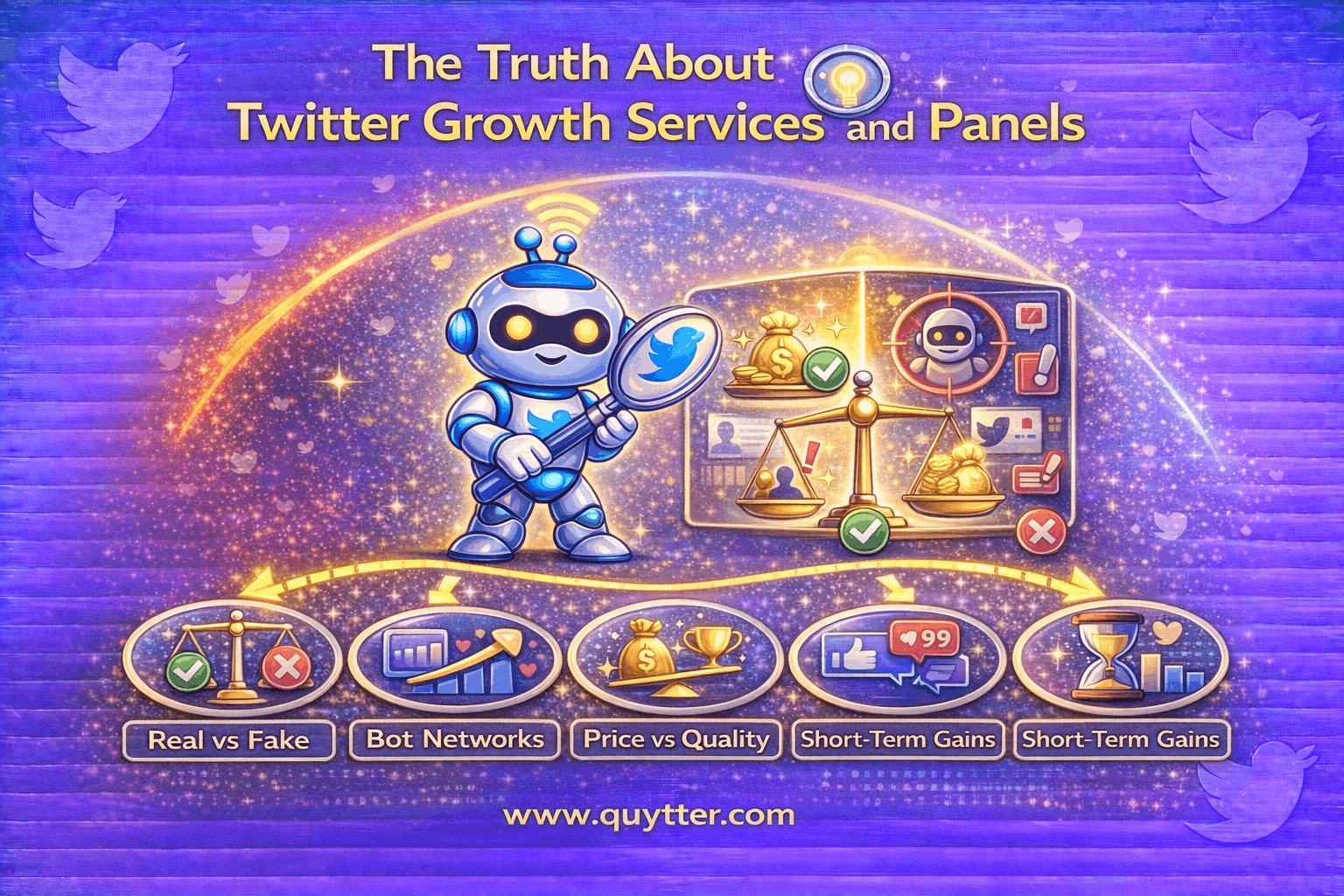
Not all Twitter growth services are created equal. Some operate with structured methodologies, while others rely on mass automation and recycled engagement pools. Understanding the difference is critical if you want to maintain Twitter growth safety.
Growth panels are often marketed as fast and affordable solutions. They provide followers, likes, and views at scale with minimal effort. However, these panels typically use shared networks, meaning the same accounts are used across multiple clients. This creates overlapping engagement patterns that are easy to detect.
Another issue is lack of targeting. Panels rarely consider niche, audience relevance, or behavioral alignment. The result is engagement that looks disconnected from your content, reducing its effectiveness and increasing risk.
If you are evaluating these services, you need to ask whether are Twitter boost panels secure in terms of long term account health. In most cases, security is not their priority.
For a deeper understanding of how these systems introduce risk, you can explore the risk of cheap Twitter growth panels, which explains why low cost often leads to high exposure.
On the other hand, higher quality services focus on controlled delivery, audience relevance, and behavioral consistency. They operate more like growth partners than volume providers.
Choosing between these options is not just about cost. It is about sustainability.
How to Check If a Twitter Growth Service Is Legit?
Evaluating whether a service is trustworthy requires more than reading testimonials or checking pricing. To check if a Twitter growth service is legit, you need to analyze how it operates, not just what it promises.
Legitimate services tend to explain their process clearly. They provide realistic expectations, acknowledge risks, and avoid guarantees that sound too good to be true. Transparency is a strong indicator of expertise.
Another factor is delivery pattern. Sudden, large scale delivery is often a sign of automation or shared networks. Controlled, gradual delivery suggests a more sophisticated approach that aligns with Twitter algorithm trust signals.
Support quality also matters. A legitimate service will answer detailed questions about account safety, usage recommendations, and potential risks. Generic responses or avoidance of technical questions are red flags.
Here are a few practical checks you can apply:
- Does the service explain how engagement is generated
- Do they provide guidance on account protection
- Is delivery paced rather than instant
- Are there clear policies for issues or failures
These indicators help separate structured services from opportunistic sellers.
Bots, Automation and Suspicious Tools What You Need to Know
Automation is not inherently dangerous, but misuse of automation is one of the fastest ways to compromise Twitter account safety. Understanding the difference between strategic automation and spam behavior is essential.
Basic automation tools can help with scheduling, analytics, and content distribution. These uses are generally safe because they support natural behavior rather than replacing it. The risk begins when automation controls engagement, follows, or interactions at scale.
Suspicious tools often promise rapid growth through automated engagement. These tools typically operate without regard for behavioral patterns, leading to repetitive actions that are easy to detect.
If you want to avoid these risks, it is important to learn how to avoid suspicious growth tools and bots. This includes understanding how tools operate, what data they use, and whether they mimic real user behavior.
Another issue is over reliance on automation. Even high quality tools can become risky if used excessively. Automation should enhance your strategy, not define it.
The safest approach is to combine limited automation with consistent manual interaction. This creates a balanced activity profile that aligns with platform expectations.
Does Buying Views and Engagement Affect Account Health
When discussing Twitter engagement safety, many users focus only on followers, but views, likes, and impressions play an equally important role in shaping Twitter account health. Buying engagement is not inherently harmful, but its impact depends entirely on how it aligns with your existing activity and audience behavior.
The first issue is proportionality. If your posts receive thousands of views but very few interactions, or if engagement spikes inconsistently across different posts, it creates an imbalance. Twitter evaluates not just absolute numbers but relationships between metrics. A healthy account typically shows a logical flow between impressions, likes, replies, and profile visits.
Another factor is engagement source. Low quality views often come from inactive or non human traffic patterns. These views do not translate into meaningful interaction, which weakens your engagement quality over time. On the other hand, high quality engagement reflects actual user interest, leading to stronger signals for content distribution.
This is why understanding does buying Twitter views affect account health is critical before using any service. Poorly executed engagement strategies can dilute your account’s credibility even if your numbers appear higher on the surface.
There is also a timing component. Sudden bursts of engagement without consistent activity before or after can signal manipulation. Gradual and aligned engagement is far more sustainable.
Ultimately, engagement should reinforce your content, not contradict it. If your metrics tell a different story than your content performance, the system will eventually adjust your reach accordingly.
How to Protect Your Twitter Account While Growing?
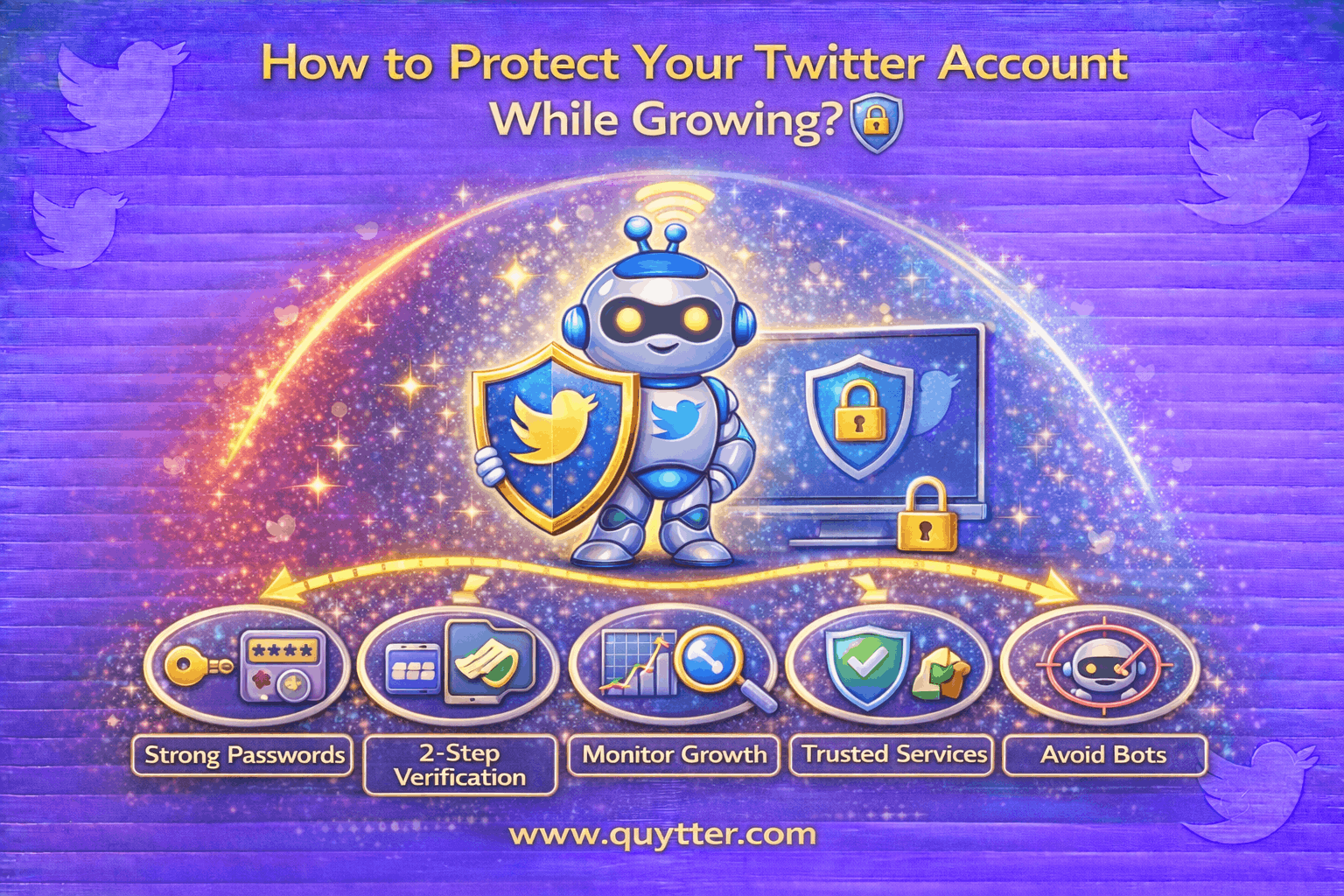
Maintaining Twitter account safety during growth requires more than avoiding bad services. It involves actively managing your behavior, environment, and interaction patterns to stay aligned with platform expectations.
One of the most important factors is consistency. This includes login locations, device usage, and activity timing. Frequent changes in IP address or device fingerprint can trigger security checks, even if your engagement is legitimate.
Another key element is pacing. Growth should follow a natural curve. Increasing activity gradually allows the system to adjust to your behavior. Sudden spikes, even with real engagement, can create unnecessary risk.
Content consistency also plays a role. Switching niches or posting styles too frequently can confuse trust signals. Accounts that maintain a clear identity tend to perform more reliably over time.
If you want a structured breakdown of best practices, you can explore how to protect your account when using growth services, which covers practical steps for maintaining stability.
A simple framework to follow includes:
- Maintain consistent login environments
- Increase activity gradually over time
- Align engagement with content quality
- Avoid mixing multiple aggressive strategies at once
These principles may seem basic, but they form the foundation of sustainable growth.
What to Do If Your Growth Goes Wrong?
Even with careful planning, issues can still occur. Understanding how to respond quickly is essential to preserving Twitter account health.
One of the most common problems is a sudden drop in engagement. This can happen after using a growth service, changing content strategy, or triggering algorithmic filters. The key is not to panic but to analyze the cause.
If you notice a decline, start by reviewing your recent activity. Look for unusual spikes, repetitive interactions, or changes in posting frequency. Reverting to a more natural pattern often helps stabilize performance.
For a detailed action plan, you can review what to do if your engagement drops after buying followers, which explains recovery steps in practical terms.
Another scenario involves using a service that turns out to be unreliable or fraudulent. In this case, minimizing further damage is critical. Stop all external activity, stabilize your account behavior, and allow time for signals to normalize.
If you are dealing with this situation, it is important to understand how to recover if you bought from a scam service, especially when engagement patterns have already been compromised.
Recovery is not instant. It requires consistency, patience, and a return to organic interaction patterns. The goal is to rebuild trust gradually rather than attempting another shortcut.
Why Payment Methods Matter for Safety?
Payment methods are often overlooked when discussing safe Twitter growth, but they play a significant role in overall risk management. The way you pay for services can influence privacy, traceability, and exposure to unreliable providers.
Traditional payment methods such as credit cards or centralized platforms offer convenience but also create a direct link between your identity and the service provider. This can become a concern if the provider operates in a questionable manner or if disputes arise.
On the other hand, alternative payment methods offer different trade offs. Some users prefer options that provide more control over transaction visibility and reduce dependency on centralized systems.
If you are evaluating this aspect, it is worth understanding why buying Twitter services with crypto is safer in certain scenarios, particularly when dealing with international providers or services that require additional privacy.
However, payment method alone does not guarantee safety. It should be combined with proper service evaluation, realistic expectations, and a clear understanding of how the service operates.
The goal is not to avoid risk entirely, but to manage it intelligently across all touchpoints.
Are Paid Engagements Against Twitter Rules?
A common concern among users is whether paid engagement violates platform policies. The answer is not always straightforward because it depends on how engagement is generated and used.
Twitter’s rules are designed to prevent manipulation and coordinated inauthentic behavior. This means that engagement created through deceptive or automated means is more likely to be restricted.
However, not all paid engagement falls into this category. Services that focus on real user interaction, content promotion, or legitimate audience targeting may operate within acceptable boundaries.
To better understand this distinction, it is useful to explore are paid engagements against X’s terms of service, which breaks down how compliance is interpreted in practice.
The key is intent and execution. If engagement is designed to simulate organic behavior without providing real value, it is likely to be flagged. If it enhances visibility while maintaining authenticity, it may be considered part of a broader marketing strategy.
Staying within safe boundaries requires awareness, not assumptions.
Choosing a Safe and Reliable Growth Partner
At a certain point, most users realize that managing every aspect of growth manually is not scalable. This leads to the need for a reliable partner who understands both Twitter growth safety and performance optimization.
Choosing the right partner is less about finding the cheapest option and more about aligning with a system that prioritizes long term account health. A good partner does not just deliver numbers. It provides structure, guidance, and risk management.
This is where understanding how Quytter delivers safe and real engagement becomes relevant. Instead of focusing on volume, Quytter emphasizes controlled growth, behavioral alignment, and realistic pacing.
Accounts are not treated as interchangeable assets. Each account is evaluated based on its current state, history, and intended use. This allows for tailored strategies that reduce unnecessary exposure while maintaining growth momentum.
Another advantage is post delivery guidance. Many services stop at delivery, leaving users to manage the consequences. A structured approach includes recommendations for activity pacing, environment consistency, and ongoing optimization.
The difference between random growth and sustainable growth often comes down to who is guiding the process. With the right partner, growth becomes predictable, controlled, and aligned with platform expectations.
Conclusion: Safe Growth Is the Only Sustainable Growth Strategy
The concept of The Complete Safety Guide for Growing on X (Twitter) is not about avoiding growth methods. It is about understanding how to use them correctly. Every strategy, whether organic, paid, or automated, carries a level of risk. The difference lies in how that risk is managed.
Safe growth is built on consistency, realistic behavior, and alignment with Twitter algorithm trust signals. It avoids extreme spikes, low quality engagement, and conflicting patterns that can damage long term performance.
Both beginners and experienced marketers often fall into the trap of chasing quick results. While short term gains may appear attractive, they rarely translate into sustainable success. True growth requires patience, structure, and informed decision making.
If you want to scale effectively while protecting your account, the next step is to move beyond guesswork. Evaluate your current approach, identify potential risks, and align your strategy with proven frameworks.
For those looking for a more structured and reliable path, exploring solutions like Quytter can help transform growth from a risky experiment into a controlled and scalable system.